When an excavator suddenly stops working without apparent reason, follow this systematic troubleshooting process to quickly identify the root cause:
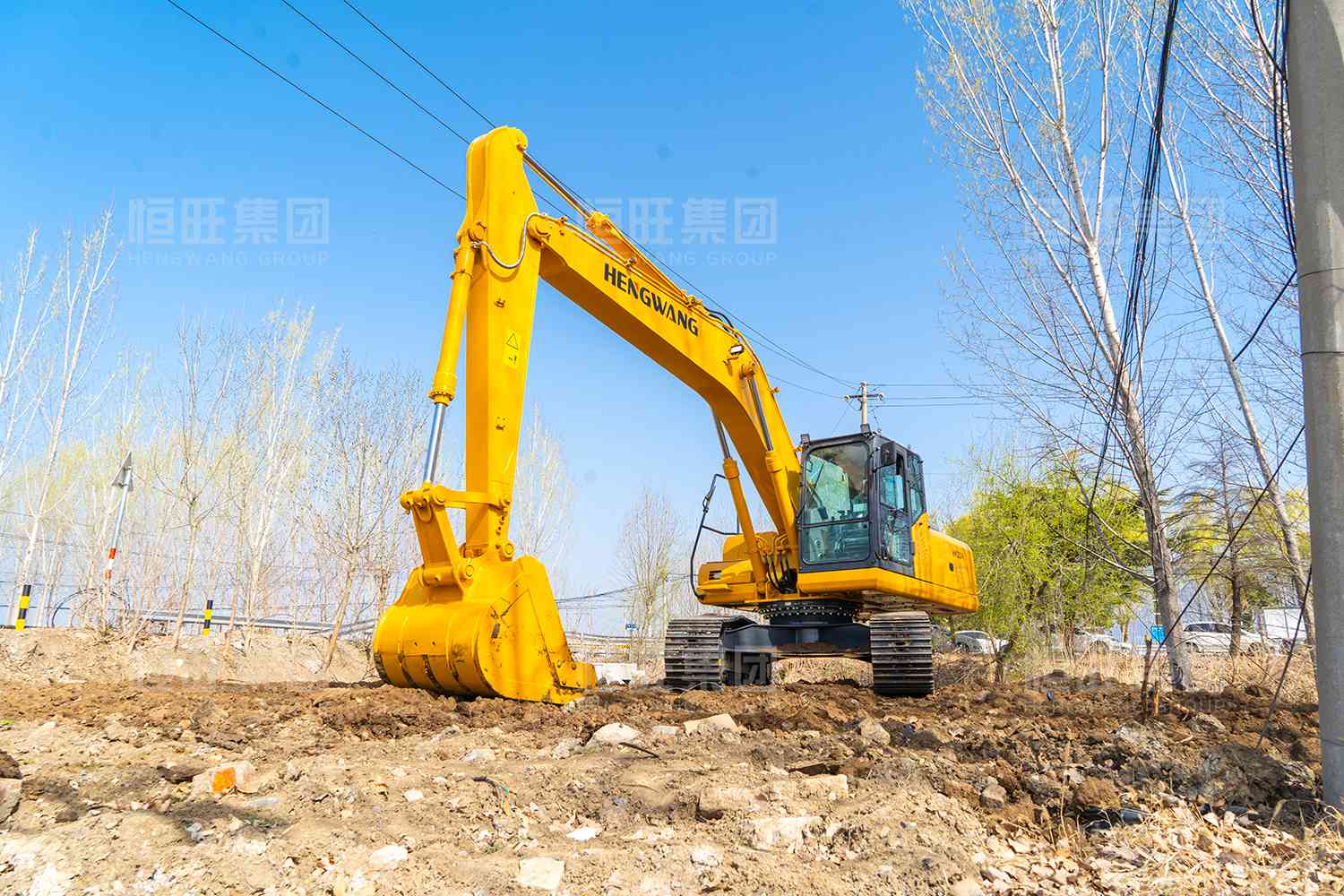
I. 6 On-Site Troubleshooting Steps
1. Restart Verification
Shut down the engine and restart it, then test the equipment again. If there's still no movement, rule out temporary program glitches and proceed to hardware inspection.
2. Pump Pressure Detection
Monitor the left and right pump pressures via the control panel after starting. If both readings stabilize above 4000kPa, the main pumps are preliminarily confirmed to be in normal condition, narrowing down the fault range.
3. Hydraulic Control Component Check
Discover a broken spring in the hydraulic on-off lever, suspecting poor switch contact. Short-circuit the switch for testing—if no response occurs, use a multimeter to measure the hydraulic lock solenoid valve circuit (voltage should be >25V, within normal range) and check the solenoid resistance (within standard). Disassemble the solenoid, power it on, and confirm the spool moves normally to eliminate solenoid valve issues.
4. Pilot Pressure Test
Measure the pilot system pressure, which should read around 40000kPa (normal range), confirming the pilot pump functions properly.
5. Pilot Pipeline Inspection
If no movement occurs after retesting, focus on pilot pipelines. Disconnect the pilot pipeline of the bucket control valve at the main control valve; when operating the bucket arm, no hydraulic oil flow indicates a pilot pipeline fault causing full-system inaction (including travel failure).
6. Pipeline Blockage Removal
Inspect the pilot pipeline segment by segment from the pilot pump to the main control valve. Unclog the blocked pipeline behind the pilot manifold, restoring normal operation.
II. 3 Core Diagnostic Modules
1. Hydraulic Oil System Basic Check
2. Hydraulic Pump Power Transmission Diagnosis
Most excavators use dual or multi-main pumps:
3. Safety Lock Valve Fault Troubleshooting
The cab-mounted safety lock valve controls oil flow between low-pressure circuits and proportional pressure control valves (left/right joysticks and travel levers). If the valve jams or blocks, it prevents oil from activating main control valves. Use the replacement method: swap with a same-spec valve to quickly verify mechanical faults.
Conclusion
For excavator no-movement faults, follow the principle of "from easy to difficult, from surface to core"—start with basic checks (oil level, filters) and progress to pumps, valves, and pipelines. A systematic troubleshooting process, combined with pressure measurement and replacement verification, enhances diagnostic efficiency. Regular maintenance—focusing on oil quality management and filter replacement—prevents pipeline blockages at the source.